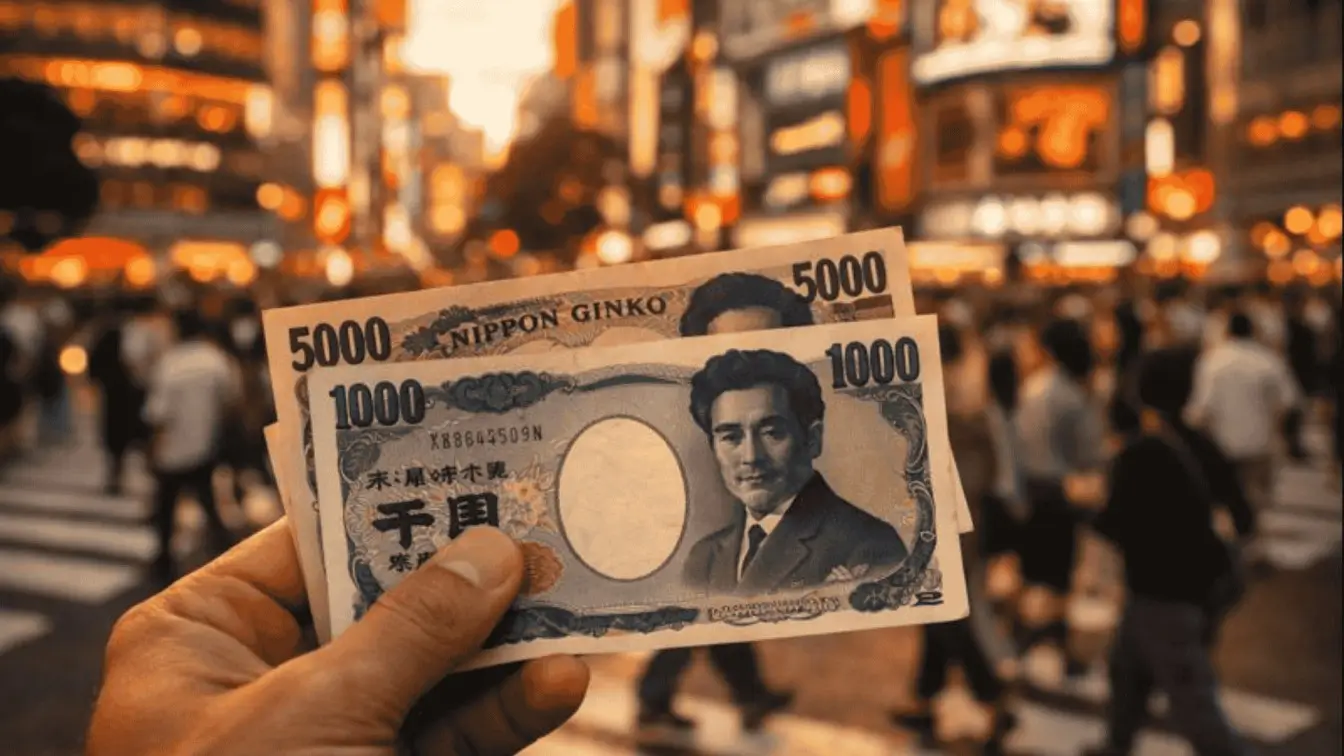
The Japan tourist tax is tripling to ¥3,000 in July 2026. We analyze the real cost for families and share 3 financial strategies to beat the hike.
If you have been scrolling through Instagram lately, you have probably seen the videos: stunning cherry blossoms, steaming bowls of ramen for $5, and polite deer bowing to tourists in Nara. For the last few years, Japan has been the ultimate budget travel destination. The weak Yen made everything feel like it was permanently on sale.
But if you are planning a trip for late 2026, you need to update your budget calculator immediately. The era of “cheap Japan” is officially evolving.
In a major policy shift, the Japanese government has announced plans to drastically increase the Japan tourist tax—often nicknamed the “Sayonara Tax”—starting in the summer of 2026.
This is not a small adjustment for inflation. The tax is set to triple.
While an extra few dollars might not seem like a disaster, when you combine this with rising hotel prices and expensive train passes, the financial picture for families changes significantly. In this detailed guide, I will break down exactly what the Japan tourist tax is, why it is increasing, and the real-world impact it will have on your wallet.
🚨 Quick Summary: The Changes at a Glance
For those in a rush, here is the critical information you need to know right now:
- The Change: The “International Tourist Tax” is increasing from ¥1,000 to ¥3,000.
- Implementation Date: Targeted for July 1, 2026.
- Who Pays: Every traveler (Adults & Children over 2) leaving Japan by air or sea.
- The Impact: A family of 4 will now pay approx. $85 USD just to exit the country.
What Exactly is the “Sayonara Tax”?
Before we panic about the price hike, let’s understand what we are actually paying for.
Since January 2019, everyone leaving Japan has paid a departure tax. Whether you are a foreign tourist heading home to New York or a Japanese citizen going on vacation to Hawaii, you pay this fee.
Why haven’t you noticed it before? Because it is invisible. The Japan tourist tax is automatically bundled into the price of your airline or cruise ticket. You don’t stand in a separate line at Narita or Haneda airport to pay it; the airline collects it from you and passes it to the government.
Currently, this tax is a modest ¥1,000 (approximately $7 USD). It is small enough that most travelers don’t even look at the breakdown on their ticket receipt.
However, the new proposal changes this from a “hidden fee” to a noticeable expense.
The 300% Spike: Breaking Down the New Costs
Japan is facing an unprecedented tourism boom. While this is great for the economy, it is straining the infrastructure in historic cities. To manage this, the government is increasing the Japan tourist tax to ¥3,000 per person.
When does it start? The new rate applies to departures on or after July 1, 2026.
- Scenario A: You fly out on June 30th. You pay ¥1,000.
- Scenario B: You fly out on July 1st. You pay ¥3,000.
Here is a clear comparison of how this impacts your wallet in different major currencies:
Japan Tourist Tax Cost Comparison (Per Person)
| Currency | Old Price (Before July 2026) | New Price (After July 2026) | Increase Amount |
| Japanese Yen | ¥1,000 | ¥3,000 | +¥2,000 |
| US Dollar ($) | ~$7.00 | ~$21.00 | +~$14.00 |
| Euro (€) | ~$6.50 | ~$19.50 | +~$13.00 |
| British Pound (£) | ~$5.50 | ~$16.50 | +~$11.00 |
| Indian Rupee (₹) | ~₹580 | ~₹1,740 | +~₹1,160 |
Note: Exchange rates are estimates based on January 2026 data and will fluctuate.
The “Family Math”: Why This Matters
This is where the “Low Value” news blogs stop, but here at Travel Finance Hub, we look at the total budget impact.
An extra $14 for a solo backpacker is annoying, but manageable. It is roughly the price of two bowls of Ichiran Ramen. However, the Japan tourist tax applies to every single passenger over the age of 2.
Let’s calculate the cost for a Family of 4 taking a summer vacation:
- Old Tax Cost: 4 people x ¥1,000 = ¥4,000 ($28).
- New Tax Cost: 4 people x ¥3,000 = ¥12,000 ($85).
Suddenly, you are paying nearly $100 USD just for the privilege of leaving the country. That $85 isn’t buying you a souvenir, a meal, or a hotel room. It is a pure fee.
For budget travelers, $85 is significant. That money could have covered:
- One night at a decent business hotel.
- A high-end Wagyu beef dinner for two.
- Tickets to Tokyo Disneyland for one person.
This new Japan tourist tax structure makes short, budget-friendly trips to Japan much harder to justify for families.
Why Is Japan Doing This? (The “Overtourism” Crisis)
Is the government just being greedy? It might feel that way, but the reality is more complex.
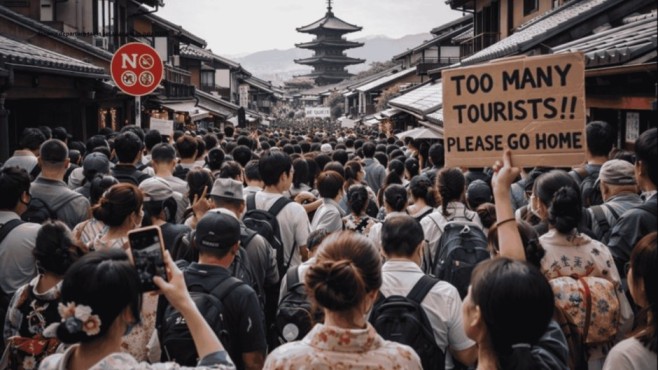
If you have visited Kyoto’s Gion district or Tokyo’s Shibuya Crossing recently, you know the truth: Japan is full.
In 2025, visitor numbers smashed all previous records. Local residents in Kyoto complain they cannot board city buses because they are jammed with tourists and luggage. Trash disposal is becoming a crisis. Historic wooden temples are suffering wear and tear from millions of footsteps.
The government has stated that revenue from the tripled Japan tourist tax will be ring-fenced for three specific goals:
- Smart Immigration: Installing facial recognition gates at airports to speed up entry (no more 2-hour lines).
- Decentralization: Marketing lesser-known regions like Tohoku, Shikoku, and Kyushu to spread the crowds away from the “Golden Route” (Tokyo-Kyoto-Osaka).
- Preservation: Funding the repair of cultural heritage sites and national parks.
Essentially, Japan is pivoting from “mass tourism” to “quality tourism.” They want visitors who contribute to the economy without overwhelming the local lifestyle.
3 Financial Strategies to Beat the Hike in 2026
You don’t need to cancel your dream trip. You just need to be smarter with your money. Here are three actionable strategies to offset the rising Japan tourist tax.
1. The “Timing” Hack
If your schedule allows, book your travel dates for May or June 2026.
- The Benefit: You will lock in the old tax rate (¥1,000).
- The Bonus: May is arguably the best month to visit Japan weather-wise. It is warm but not humid, and the Golden Week crowds are gone. You avoid the tax hike and the brutal July heat.
2. Rethink the JR Pass
This is the biggest money pit for new travelers. The JR Pass price increased by nearly 70% recently. Now, with the Japan tourist tax rising too, every Yen counts.
- The Fix: Don’t blindly buy the JR Pass. Use the “SmartEx” app to buy individual Shinkansen tickets. Unless you are taking a bullet train every single day, paying per ride is usually 30% cheaper than the pass.
3. Stop Paying Bank Fees (Crucial!)
Since the government is taking more of your money, don’t let your bank take the rest. Most traditional banks charge a 3% Foreign Transaction Fee on every purchase. On a $3,000 trip, that is $90 in wasted fees—more than the new tax!
- The Solution: Switch to a card that charges zero fees. (Read our detailed guide: [The 5 Best No-Foreign Transaction Fee Debit Cards for 2026] to find the best card for you.)
Frequently Asked Questions (FAQ)
Do I have to pay the Japan tourist tax in cash at the airport?
No. The tax is collected by your airline or travel agent when you book your ticket. It will appear as a line item in your “Taxes and Surcharges” breakdown.
Q: Does the tax apply to children?
Yes. Generally, all passengers aged 2 and older must pay the full Japan tourist tax. Infants under 2 are typically exempt (check with your specific airline).
What if I have a layover in Japan?
If you are in Japan for less than 24 hours (a transit passenger) and do not leave the airport’s secure area, you usually do not have to pay the tax.
I already bought my ticket for August 2026. Will I be charged extra?
Usually, if the ticket was issued before the implementation date, the old tax rate applies. However, if you make changes to your ticket later, the airline may recalculate the taxes and charge you the difference.
Conclusion: Is Japan Still Worth It?
The tripling of the Japan tourist tax is a clear signal that the days of Japan being a “bargain bin” destination are ending. The government is prioritizing sustainable tourism over sheer visitor numbers.
While nobody likes paying more fees, Japan remains one of the safest, cleanest, and most fascinating countries on earth. If the extra ¥2,000 revenue truly goes toward reducing crowds in Kyoto and speeding up airport lines, many travelers may find it a price worth paying.
Your Turn: Does an extra $14 tax change your travel plans, or is it a small price to pay for sushi and samurai history? Let us know in the comments below!
Disclaimer: This article is based on the latest government proposals as of January 2026. Implementation dates and final amounts are subject to parliamentary approval.
You can see this also:
- Credit Card vs Prepaid Travel Card: What’s the Best Way to Pay Abroad in 2026?
- The End of Cheap Japan? Tourist Tax ‘Sayonara Tax’ Spikes 300% Starting July 2026
- The 5 Best Debit Cards with No Foreign Transaction Fees for International Travel (2026 Guide)
- Can I Use My EBT Card in Another State? New 2026 Restrictions & Bans Explained
- Can You Fly Without Real ID in 2026? The New $45 “TSA ConfirmID” Fee Explained
- Safest Caribbean Islands in 2026: Grenada Joins Elite List as New Travel Advisories Released
- Comprehensive Travel Insurance: What’s Covered and Why It Matters 2026
- The Best Travel Insurance for 2026: Top Plans Revealed